South Indian food is easy to recognise and difficult to summarise. It moves between temple offerings and street snacks, between a quick weekday breakfast and an elaborate wedding meal. What connects these moments is a set of habits: rice at the centre, lentils for protein, fermented batter for lightness, and accompaniments that bring contrast.
Food and regional identity
Recipes carry memory. A particular chutney, a way of seasoning sambar or the pattern of a meal on a festival day can say more about a family's origins than a map. This is why South Indian cuisine resists being treated as one uniform style. Each state, and often each town, has its own version of a familiar dish.
Restaurants that respect this variety give guests room to explore. A menu that includes several regional expressions of dosa or breakfast plates invites curiosity instead of reducing the cuisine to a single icon.
The family table
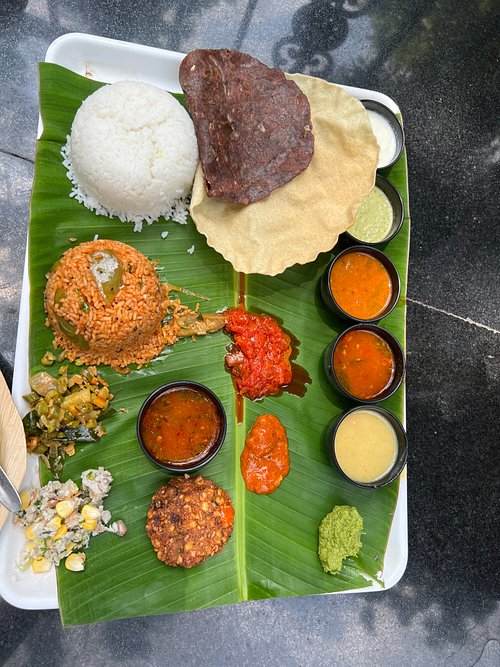
Meals in many South Indian households are shared. Dishes are placed in the centre, and people take what they want. This habit shapes the food itself: items that travel well from kitchen to table, that can be eaten at different speeds and that still taste good as the meal continues. Sambar, chutneys, pickles and rice all fit that pattern.
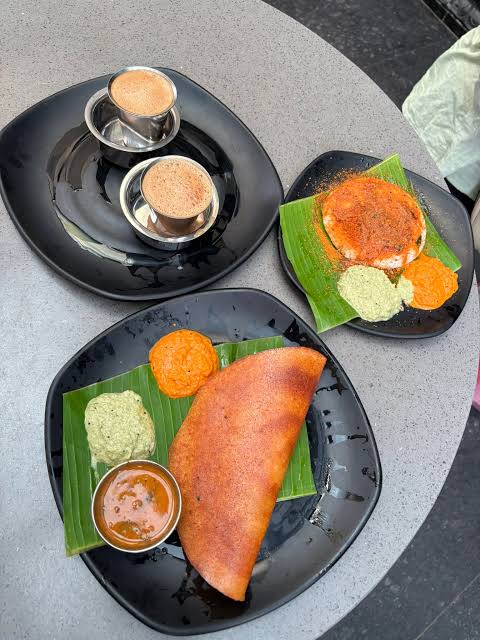
Breakfast often follows the same logic. A plate of idli or dosa with shared bowls turns a quick meal into a small gathering. Our article on South Indian breakfast looks at why this format works so well in busy homes.
Tradition meets the city
Urban life changes how people eat. Longer working hours, smaller kitchens and a desire for consistent quality push more people toward restaurants. That shift has created opportunities for food businesses that can deliver traditional taste with modern reliability — the subject of our piece on the restaurant franchise business model.
The best of these businesses do not reinvent the food. They make it accessible: clear menus, clean spaces, predictable quality and service that fits a schedule.
Language, gesture and hospitality
Culture lives in small gestures too — how coffee is poured, how a plate is passed, how a guest is greeted. These details are easy to overlook in a business plan but very visible to a customer. A restaurant that gets them right feels familiar even to someone visiting for the first time.
That is why training and brand behaviour matter as much as recipes. You can read more about the guest side of this in our guide to a great South Indian dining experience.
Why the culture keeps growing
Food travels when people travel. Students, professionals and families carry their breakfast habits to new cities, and new neighbours adopt them. A cuisine survives that movement by staying recognisable while adapting to local rhythms. South Indian food has done exactly that, which is why it continues to find new audiences far from its places of origin.
Tradition, in other words, is not a museum piece. It is a living set of practices that Changes as people eat, cook and share together.