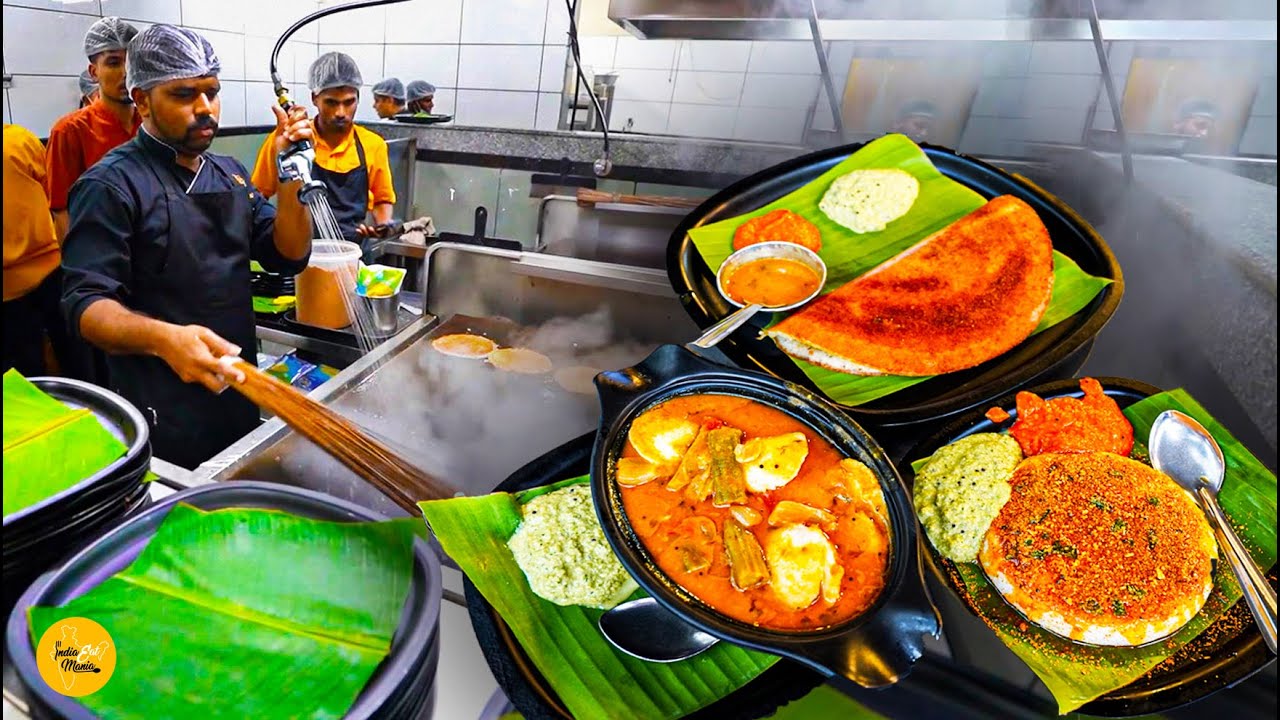
A franchise is a partnership in which one party lends its brand and system while another invests capital and runs the outlet. Understanding how the pieces fit together helps both sides set realistic expectations before they sign.
The main participants
The franchisor owns the brand, recipes, standards and support system. The franchisee invests in a location, hires staff and operates the outlet under agreed standards. A healthy relationship is built on clarity: each side knows what it must deliver and what it can expect.
Fees and royalties
Most models include an initial franchise fee and a recurring royalty, usually calculated as a percentage of revenue. Some also include a marketing contribution. The exact structure varies, so it should always be read alongside the services provided. A lower fee with weak support can cost more than a higher fee with strong training and supply chains.
Ask for a written illustration of monthly costs at different revenue levels. Our checklist on choosing a franchise opportunity suggests other questions to ask.
What support should include
Typical support covers site evaluation, layout guidance, equipment specifications, opening training, recipes, supplier access, quality audits and brand marketing. Ongoing support should also include menu updates, staff training materials and help with operational problems.
On our business model page we describe the partnership process from first conversation to launch. Details should always be confirmed directly with the brand.
Responsibilities of the franchisee
The franchisee is responsible for local operations: staffing, service quality, cleanliness, inventory, local marketing and compliance with laws. Following the system is not optional; it protects the brand and every other outlet in the network.
Financial discipline matters too. Keep accurate records, maintain working capital and review performance against the plan every month.
Risks and safeguards
Risks include weak location choice, undercapitalisation, inconsistent execution and market changes. Safeguards include thorough research, a realistic business plan, proper training, regular audits and open communication with the franchisor.
Before committing, compare the model with running an independent restaurant so you understand what you are gaining and what you are giving up.
How to evaluate a specific offer
- Visit existing outlets without prior announcement.
- Speak with current franchisees about real costs and support.
- Read the agreement with professional advice.
- Confirm local demand with your own research.
A franchise model works best when the numbers, the people and the brand values all line up. Take the time to check each one.