Food tells the story of a place better than any guidebook. Nowhere is this truer than in South India, where cuisine is shaped by climate, crops, temple traditions and the everyday rhythm of family life. Authentic South Indian food is not a single style of cooking; it is a collection of regional kitchens that share a vocabulary of rice, lentils, coconut, tamarind, curry leaves and spice, while each brings its own accent to the plate.
A cuisine built on rice, lentils and patience
Rice grows abundantly across the southern states, and lentils have been a dependable source of protein for generations. Together they produced dishes that are nourishing, economical and remarkably versatile. Fermentation became a quiet hero: batter for idli and dosa rises slowly, developing a gentle sourness that makes the food easier to digest and gives it a depth that cannot be rushed.
That patience is still the hallmark of a good kitchen. A batter rested long enough yields idlis that are soft and airy rather than dense, and dosas that spread thin and turn crisp without becoming hard. Traditional South Indian cuisine rewards attention to process more than complexity of ingredients.
Regional voices within one tradition
Travel from a Tamil breakfast table to a Karnataka thali and the differences are immediate. One region favours the bright tang of tamarind and the perfume of curry leaves; another leans into coconut, jaggery and a slower, gentler spice profile. coastal kitchens bring seafood and coconut to the fore, while inland areas celebrate millets, pulses and pickles that can be stored through hot months.
These variations are not deviations from an authentic ideal. They are the authentic ideal: food that responds to local produce and local needs. Understanding this helps diners appreciate why a dish can taste familiar and completely new at the same time.
The ritual around the meal
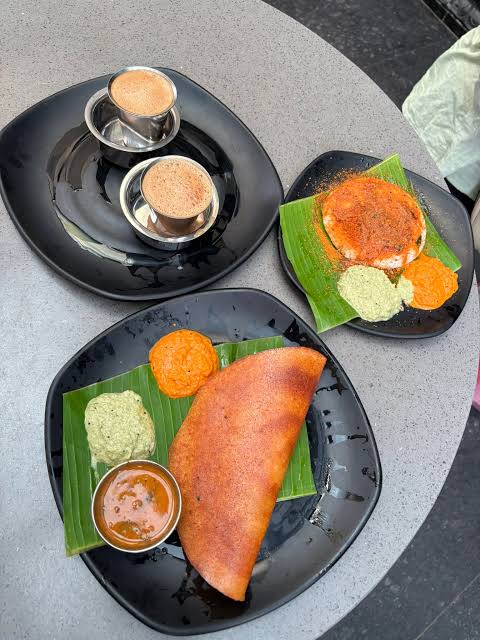
In many homes, breakfast is not a rushed event. It is a small daily ritual — batter prepared the previous evening, chutneys ground fresh, coffee brewed slowly and filtered into a steel tumbler. The meal is eaten while it is warm, often with family conversation around the table. That sense of occasion is part of what people are looking for when they search for a South Indian breakfast restaurant.
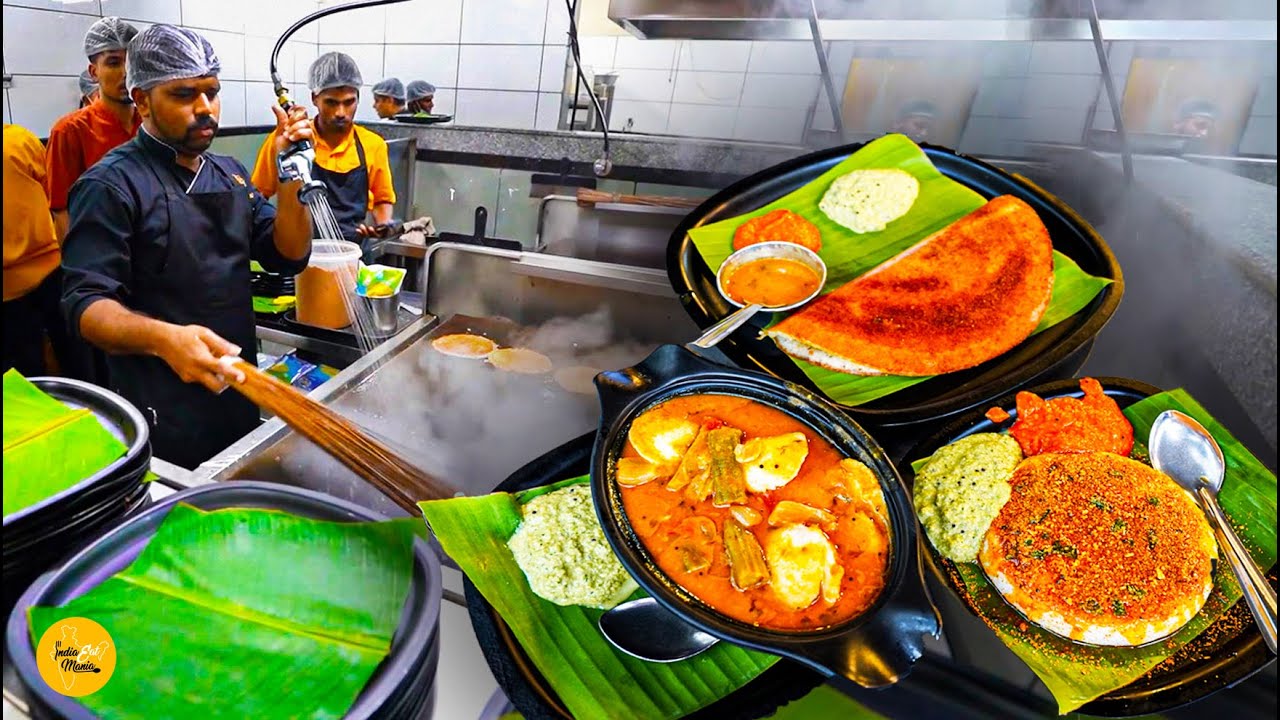
Restaurants that want to serve authentic food therefore have to protect more than a recipe. They need to protect the pace: batter fermented properly, sambar simmered until the lentils soften, and dosas cooked to order on a hot griddle.
What authentic means on a modern menu
Modern diners are busy, health-conscious and curious. A menu can respect tradition while answering those needs — offering smaller portions, clear ingredient information, vegetarian choices and consistent quality across outlets. The goal is not to freeze a cuisine in time, but to carry its best habits forward.
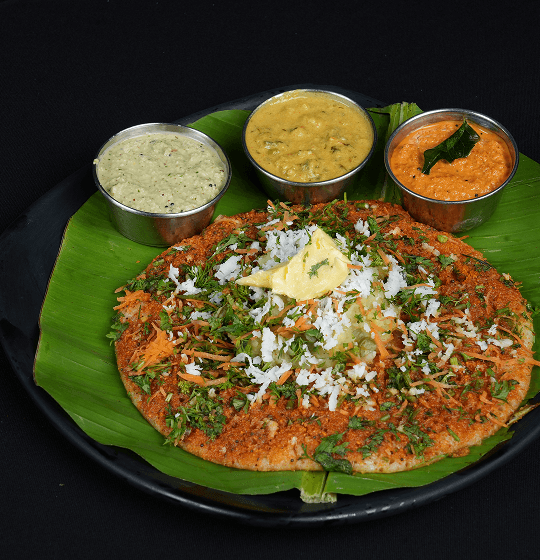
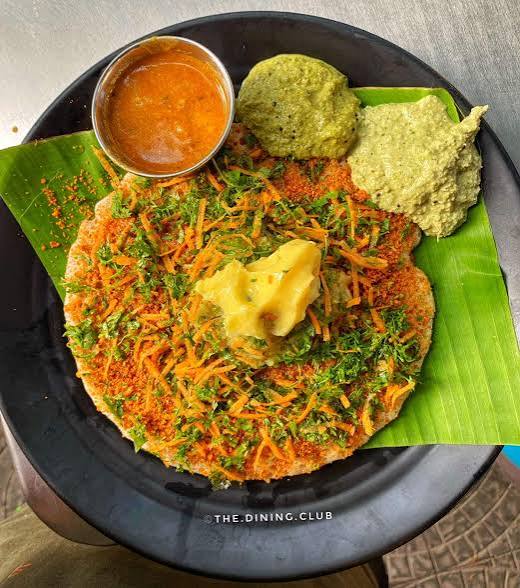
When you explore our South Indian menu, look for the details: the texture of the batter, the balance of chutney and sambar, the aroma of filter coffee. Those small signals tell you whether a kitchen understands what it is cooking.
Bringing the tradition to more cities
As South Indian food travels, it meets new audiences. A well-run restaurant chain can introduce a newcomer to their first crisp dosa and give a homesick diner a taste of familiar mornings. That responsibility is why expansion needs care, training and repeatable processes — the same subjects we discuss in our guide to restaurant outlet expansion.
Authenticity, in the end, is not a claim printed on a sign. It is the result of daily decisions made in the kitchen and at the counter, repeated until they become habit. That is the story of South Indian cuisine, and it is still being written every morning.