South Indian breakfast has travelled far beyond the region that created it. Morning queues at restaurants, weekend family brunches and a growing number of menu pages dedicated to idli and dosa all point to the same thing: this is not a passing trend. It is a way of eating that keeps earning new fans.
It fits the way people actually live
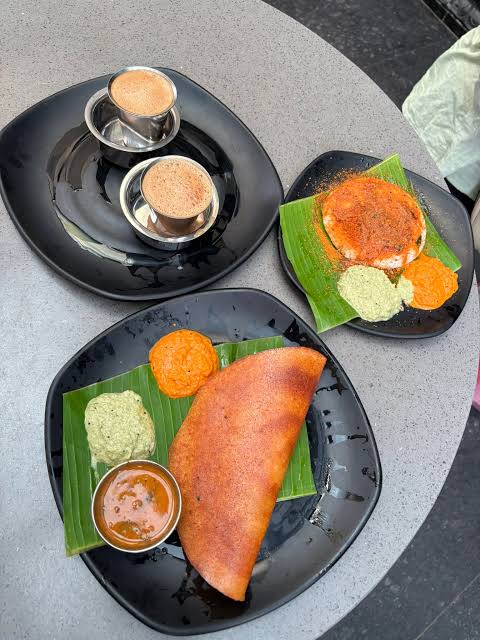
A good breakfast needs to be filling without feeling heavy, quick to serve and easy to eat. Idli, dosa, vada and their relatives tick all three boxes. A steamed idli with sambar delivers comfort and protein; a dosa folded around a potato filling turns into a complete meal; a cup of filter coffee makes the whole experience feel unhurried even on a busy weekday.
That practicality is one reason the South Indian breakfast menu works so well in cities. People want food that respects their time and still tastes like it was made with care.
Fermentation brings flavour and digestibility
The batter behind idli and dosa is fermented, a process that does more than add a pleasant tang. Fermentation partially breaks down starches and proteins, which many people find makes these dishes easier to digest. The texture changes too: air bubbles formed during resting create the soft, springy crumb of a good idli and the crisp sheet of a well-cooked dosa.
This is slow food in the best sense. The work happens the day before, so the morning service can stay fast. It is a small lesson in planning that any restaurant owner would recognise.
Variety keeps the experience fresh
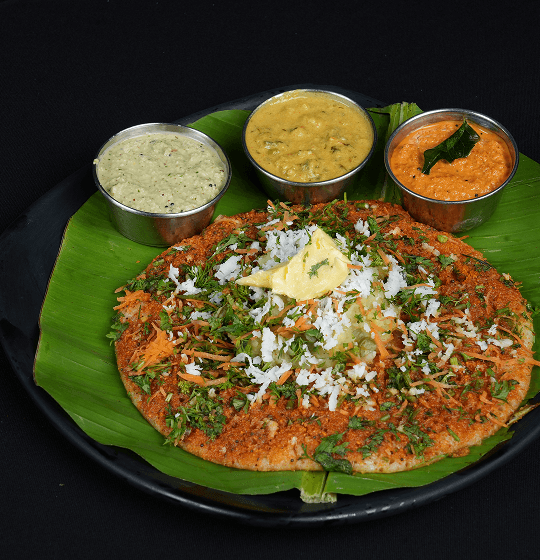
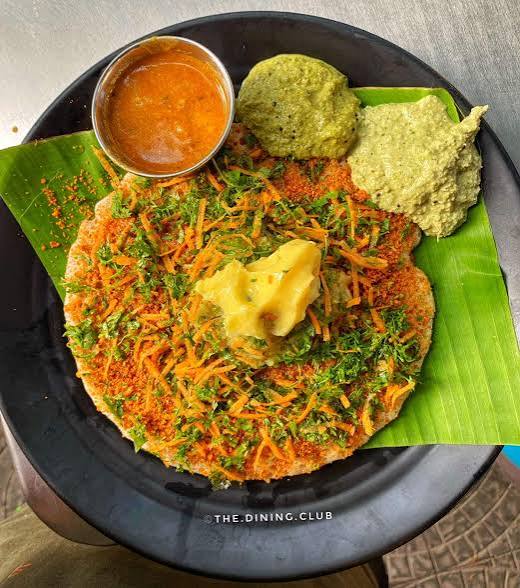
One batter, many outcomes. Plain idli, podi idli, masala dosa, ghee roast, vada, uttapam — the list changes from household to household and from restaurant to restaurant. Chutneys and sambars add another layer of choice, from coconut-based accompaniments to tomato and onion versions.
That flexibility explains why families with different tastes can eat together happily. Someone wants something light; someone else wants a generous, spicy plate. A single breakfast menu can satisfy both.
Nutrition without preaching
Most traditional plates balance carbohydrates from rice with protein from lentils, plus vegetables in the sambar and healthy fats from a little ghee or oil. Portions are intuitive, and nothing needs a nutrition lecture attached. When people look up the differences between idli, dosa and vada, they are often trying to find exactly this balance.
The experience matters as much as the food
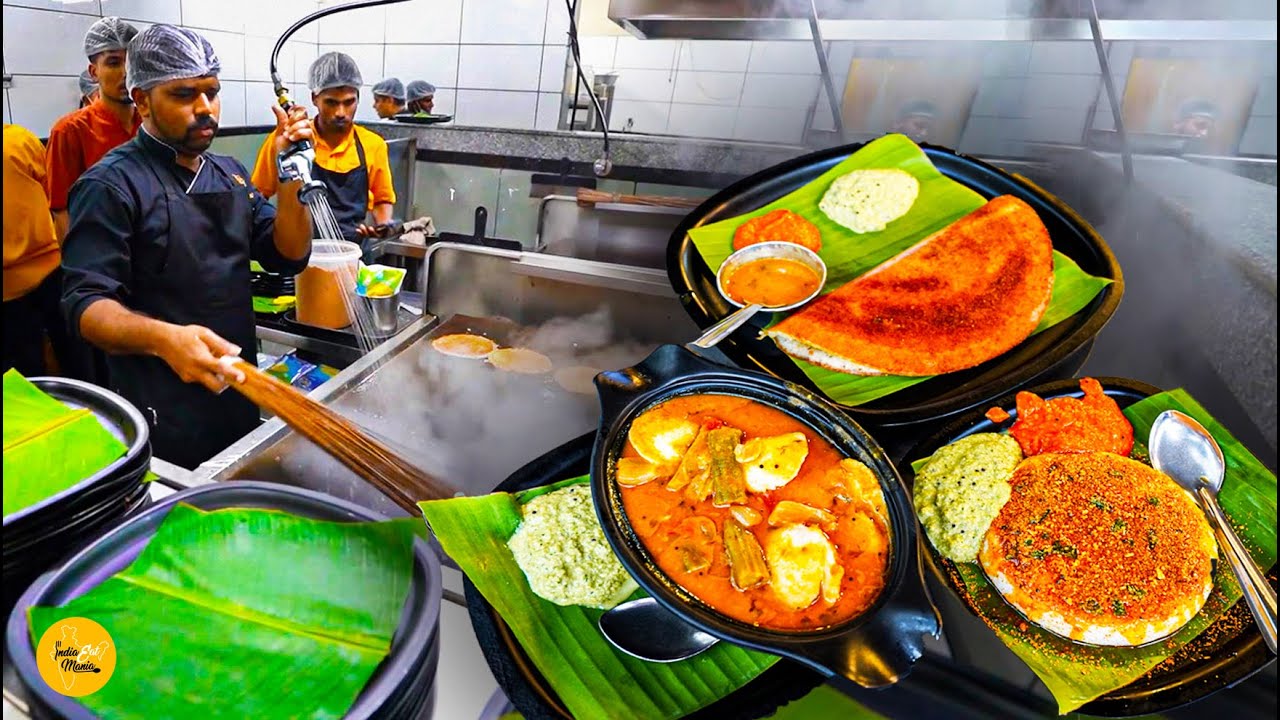
Part of the appeal is sensory. A griddle sizzling, coffee being poured from height into a tumbler, the smell of curry leaves hitting warm oil — these moments turn a meal into a memory. Restaurants that understand this design their service around them, which is a big part of a great South Indian restaurant experience.
Trends come and go, but a breakfast that is tasty, digestible, varied and shared with people you like has a very good reason to stay popular.