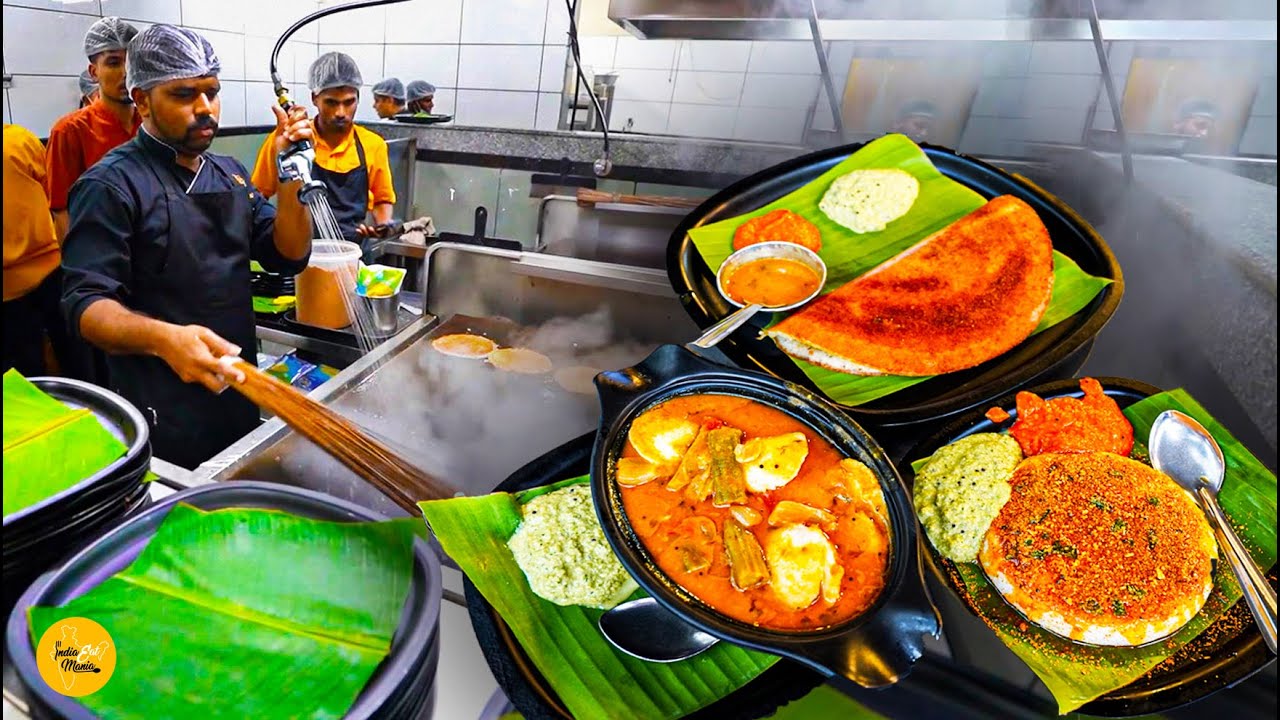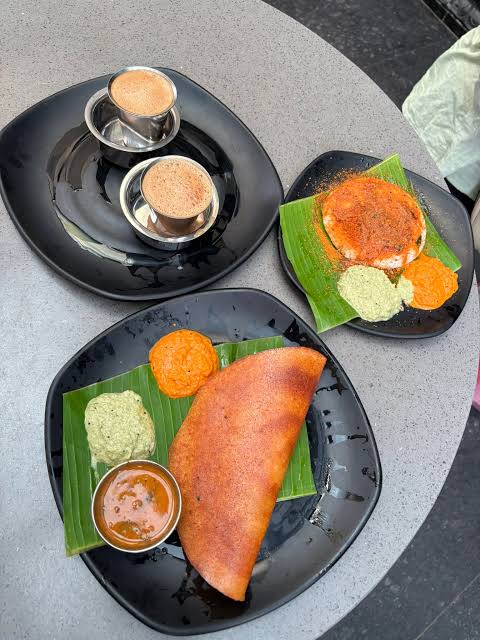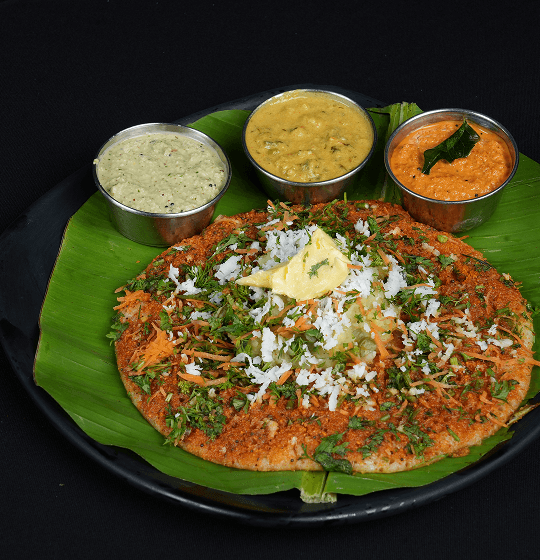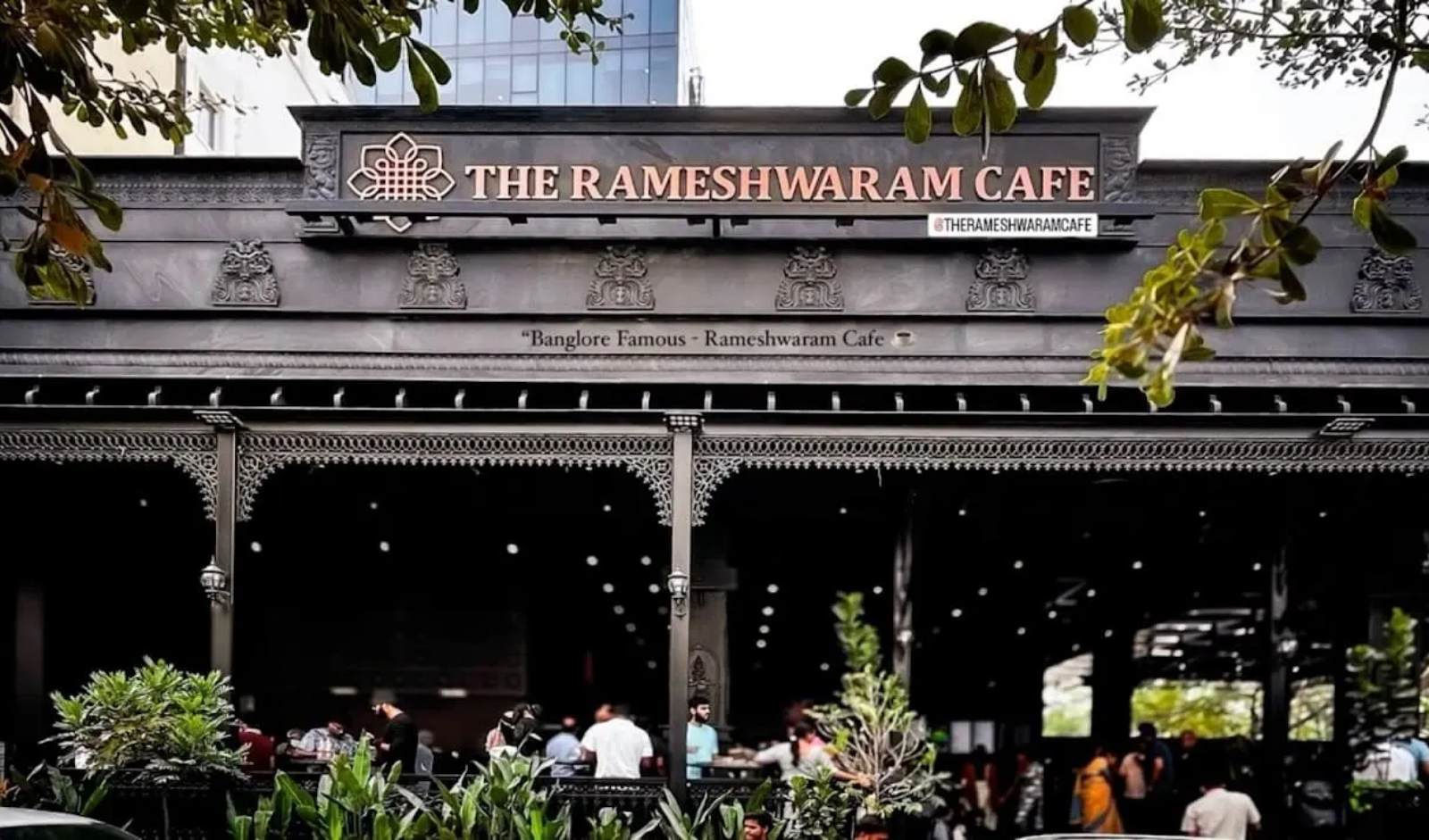
People rarely remember a meal only for the recipe. They remember how quickly they were seated, whether the dosa arrived hot, the sound of coffee being poured and the feeling that the team knew what they were doing. A great South Indian restaurant experience is built from many small, repeatable decisions.
Consistency is the foundation
A diner may visit once when the kitchen is calm and return on a crowded Sunday morning. The food should taste the same both times. That requires documented recipes, trained teams, sensible equipment and a supervisor who checks quality before plates leave the pass. Consistency is not exciting to talk about, but it is the reason people come back.
For a multi-outlet brand, consistency becomes harder and more valuable. Our piece on restaurant outlet expansion explains why systems matter more than individual talent when a concept grows.
Timing shapes the meal
South Indian food is at its best immediately. Idlis should be soft and warm, dosas crisp, sambar hot and coffee freshly mixed. A restaurant that cooks to order and coordinates the kitchen with the floor creates a rhythm diners can feel. A plate that sits under a heat lamp for five minutes tells on itself.
Good timing also means knowing when to slow down. A breakfast service has a peak, and the best teams handle it without making guests feel rushed.
Service with warmth, not theatre
Hospitality in a neighbourhood restaurant is practical: a clean table, a clear menu, honest suggestions and quick help when something is needed. Staff who can explain a dish to a first-time visitor and remember a regular's usual order create loyalty that no discount can buy.
That is the difference between a place that serves food and a place people recommend to friends. It is also why the story behind a restaurant matters — teams perform better when they understand what they are representing.
Atmosphere and cleanliness
Lighting, seating, noise and smell all affect perception. A bright, clean dining room with comfortable seating invites families and longer conversations. Open kitchens can add theatre, but only if the kitchen is genuinely tidy. Cleanliness is not a design choice; it is a promise to the guest.
Honesty builds trust
Menus should describe food accurately, ingredient information should be available, and prices should be clear. diners appreciate a restaurant that says what is possible and what is not. This honesty becomes especially important when a brand talks about partnership opportunities — as we discuss in our guide to choosing a franchise opportunity.
In the end, a great restaurant experience is simple to describe and hard to deliver: good food, served at the right moment, by people who care. Every visit is a chance to prove it again.