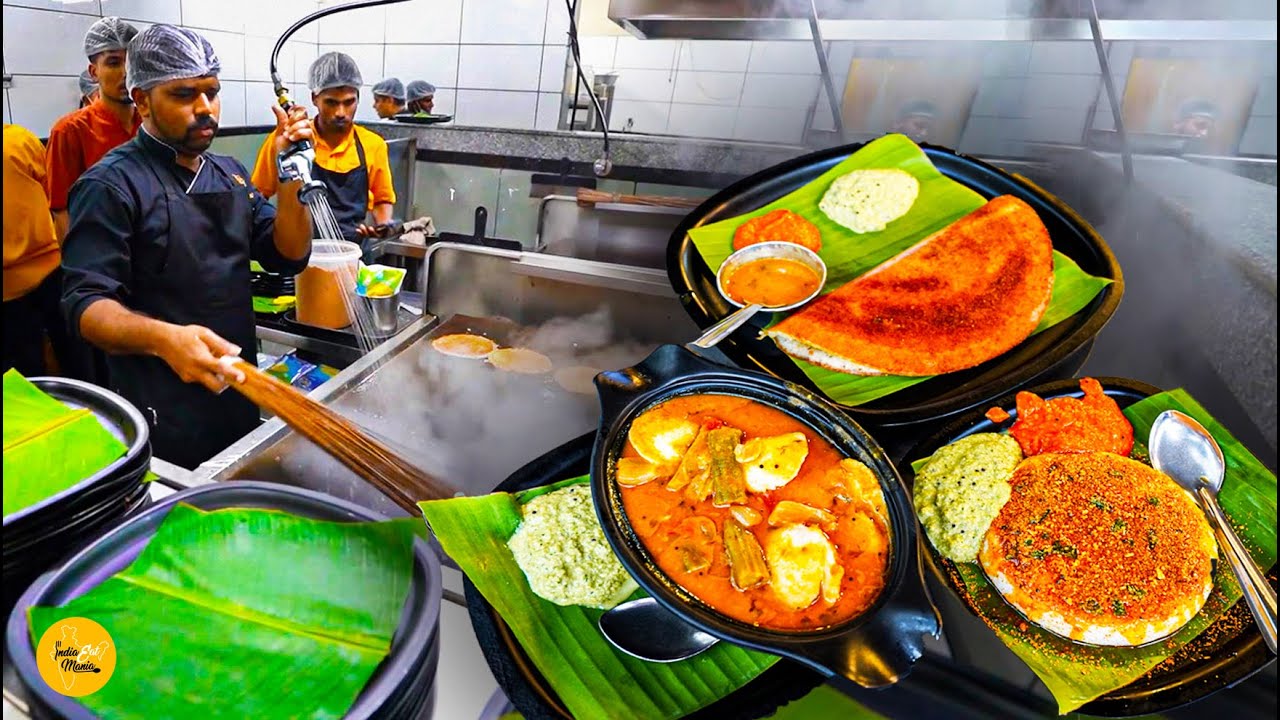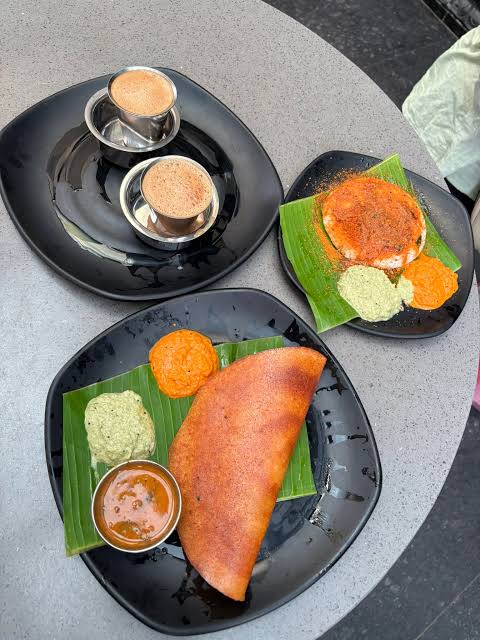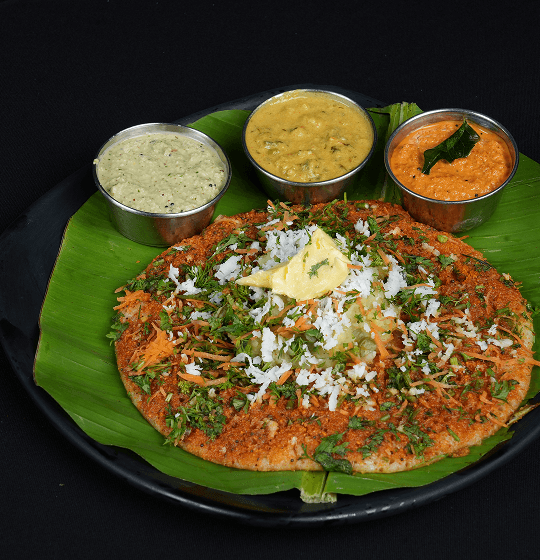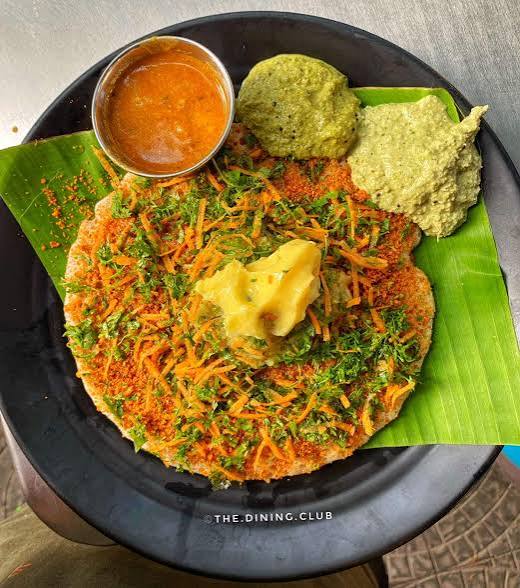
Ask someone to name a South Indian breakfast and the answer is almost always one of three dishes: idli, dosa or vada. They appear together on menus, share a similar pantry and are often made from overlapping ingredients. Yet each offers a completely different eating experience.
Idli: steamed, soft and gentle
Idli is made from a fermented batter of rice and urad dal that is poured into moulds and steamed. The result is a small, round cake with a soft, springy texture. It absorbs sambar beautifully and is usually the first choice for anyone wanting a light breakfast or something easy to eat.
The key to a good idli is fermentation and steam. Under-fermented batter gives a dense centre; uneven steam creates hard spots. When done well, an idli is pale, fluffy and delicately tangy.
Dosa: thin, crisp and customisable
Dosa uses a closely related batter but spreads it thin on a hot griddle. The cooking surface transforms the same ingredients into a crisp sheet with a completely different character. A plain dosa is a canvas; a masala dosa adds spiced potato, a ghee podi dosa adds chutney powder and ghee, and a mysore dosa brings a richer batter and chutney.
If you want to understand the technique behind the crispness, read our guide to making a crispy dosa. The main difference between idli and dosa is therefore not the ingredients but the cooking method: steaming keeps idli soft, while a hot tawa makes dosa crisp.
Vada: crisp outside, airy inside
Medu vada is made from a urad dal batter that is whipped to incorporate air, shaped into a ring with a hole in the middle and fried until golden. The outside crackles; the centre stays light and almost spongy. It is the most indulgent of the three and is often paired with sambar and coconut chutney.
A good vada should not feel oily. That depends on the dal being ground and beaten properly, and on the oil being at the right temperature. Too cool and the vada drinks oil; too hot and the outside darkens before the centre cooks.
How to choose
- Want something light? Choose idli with sambar.
- Want a full meal? A masala dosa is hard to beat.
- Craving texture? Go for a hot medu vada.
Most restaurants serve combinations precisely because these dishes complement each other. A plate with one of each, shared at the table, is one of the simplest ways to understand the range of a South Indian breakfast menu.
A shared foundation
Idli, dosa and vada also show how much a cuisine can achieve with a small set of ingredients. Rice, lentils, fermentation, heat and seasoning produce remarkably different results in different hands. That is why the best places to try them are kitchens that take the basics seriously — a subject we explore in our article on authentic South Indian cuisine.