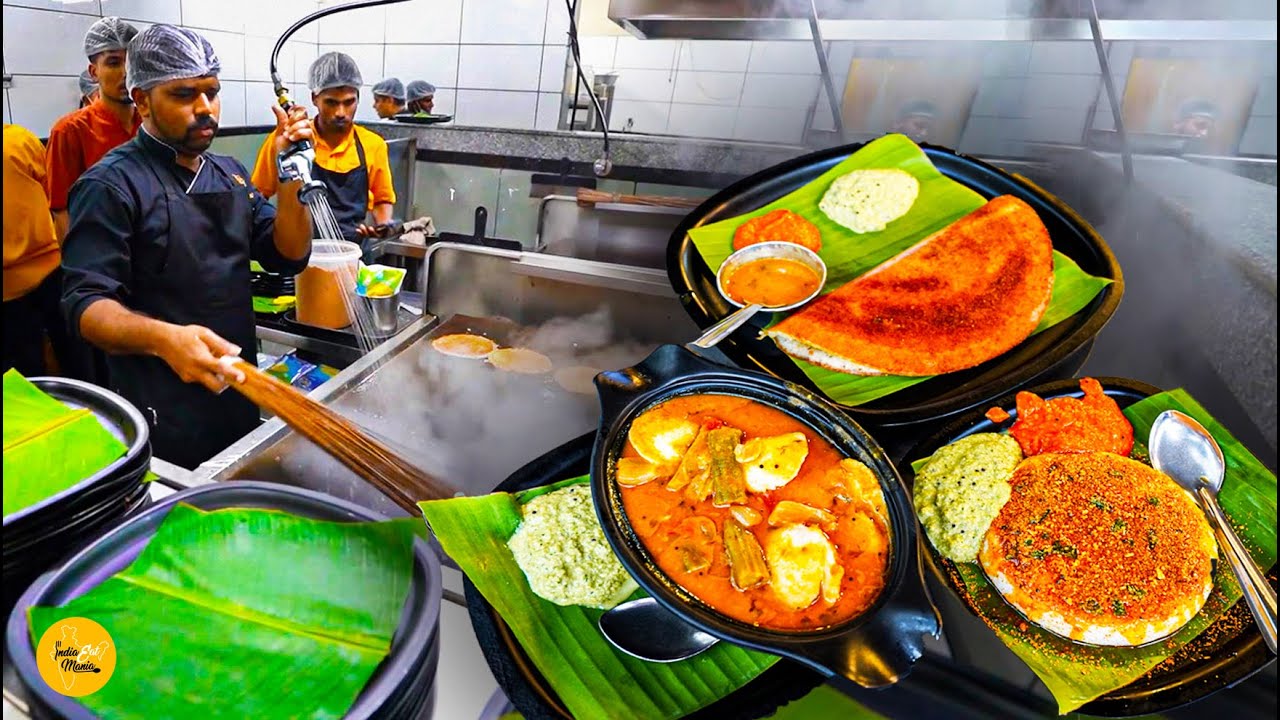
Opening a restaurant is exciting, and that excitement can hide a lot of work. The ideas that succeed are usually the ones backed by careful planning: a clear concept, a location that fits it, and enough cash to survive the slow early months.
Define the concept before the menu
A menu is not a concept. A concept decides who you are serving, why they would choose you and what experience they get. A quick breakfast café, a family dining room and a premium vegetarian restaurant have different layouts, staffing, pricing and marketing. Write one clear sentence describing your restaurant and test it against every decision.
Keep the first menu focused. A short menu is easier to execute consistently, reduces waste and trains the team faster. You can expand once the kitchen has found its rhythm.
Location decides a surprising amount
Footfall, parking, visibility, nearby offices or homes and the competition all shape your chances. Visit a potential site at breakfast, lunch and dinner on both weekdays and weekends. Talk to neighbouring businesses. A lower rent in the wrong location can be more expensive than a higher rent in the right one.
Our article on restaurant outlet expansion explains how established brands evaluate sites systematically.
Budget for more than the fit-out
Equipment and interiors are the visible costs. The invisible ones matter just as much: deposits, licenses, uniforms, initial stock, marketing, staff training and working capital. A common mistake is to spend almost everything on design and arrive at opening with no cash for operations.
Build a simple business plan with realistic revenue assumptions and a conservative break-even calculation. Update it weekly during the first quarter.
Licensing and compliance
Requirements vary by state and municipality. Typically you will need food safety registration, a trade licence, local health approvals, fire safety clearance where applicable, GST registration if thresholds apply, and labour compliance for staff. Start early — approvals can take weeks and delays affect your opening date.
Do not treat compliance as paperwork to postpone. It protects your guests and your business.
People and training
Recruit for attitude and train for skill. A small team with clear roles will outperform a larger one with confusion. Document recipes, portion sizes, service steps and opening and closing checklists. These documents become your operating manual and make the business less dependent on any one person.
Launch and learn
A soft launch with friends and neighbours is valuable. It reveals slow service, confusing menu wording and kitchen bottlenecks before a full opening. Collect feedback, fix what matters and then market the opening properly with local listings and social media.
If you would rather not build all of this alone, compare the route of a franchise partnership. Either way, the fundamentals remain the same: a clear idea, disciplined numbers and a team that cares about the guest.